Introduction
Have you noticed more strands on your pillow or a widening part under Singapore’s unforgiving MRT lights? In our humid, 80% year-round tropical climate, menopausal hair shedding feels heavier, flatter, and harder to hide. Across Southeast Asia, millions of women enter menopause each year, and studies suggest up to one in three notice visible thinning — a quiet shift many of us were never prepared for.
At SINGA BEAUTY, we understand how menopause and hair loss affect Asian hair differently, from dense yet delicate strands to sensitive scalps stressed by heat and pollution. We work closely with Singapore’s multicultural beauty community, where Chinese, Malay, and Indian hair textures each respond uniquely to hormonal change.
In this guide, we unpack why estrogen shifts disrupt the hair cycle, how tropical living intensifies thinning, and what practical, science-backed steps truly help. Together, we will explore prevention, scalp care, and professional support options so you can move through menopause with clarity and confidence.
Understanding Menopause and Hair Loss in Singapore’s Tropical Climate
How Hormonal Changes Trigger Estrogen and Hair Loss
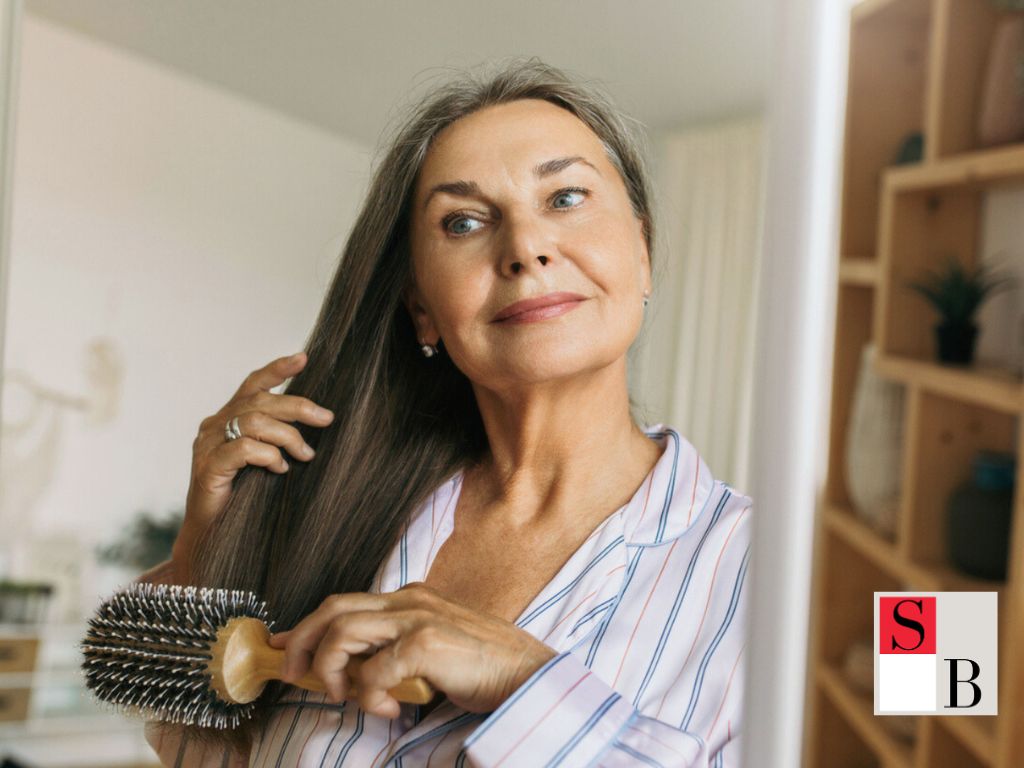
When estrogen levels decline during menopause, the hair growth phase shortens and shedding increases. We see this often among Singaporean women in their late 40s and 50s. Research shows up to one in three women experience noticeable menopausal hair thinning. In humid Singapore, fragile strands flatten faster, making volume loss more visible under bright office lighting.
Why Asian Hair Thinning Looks Different
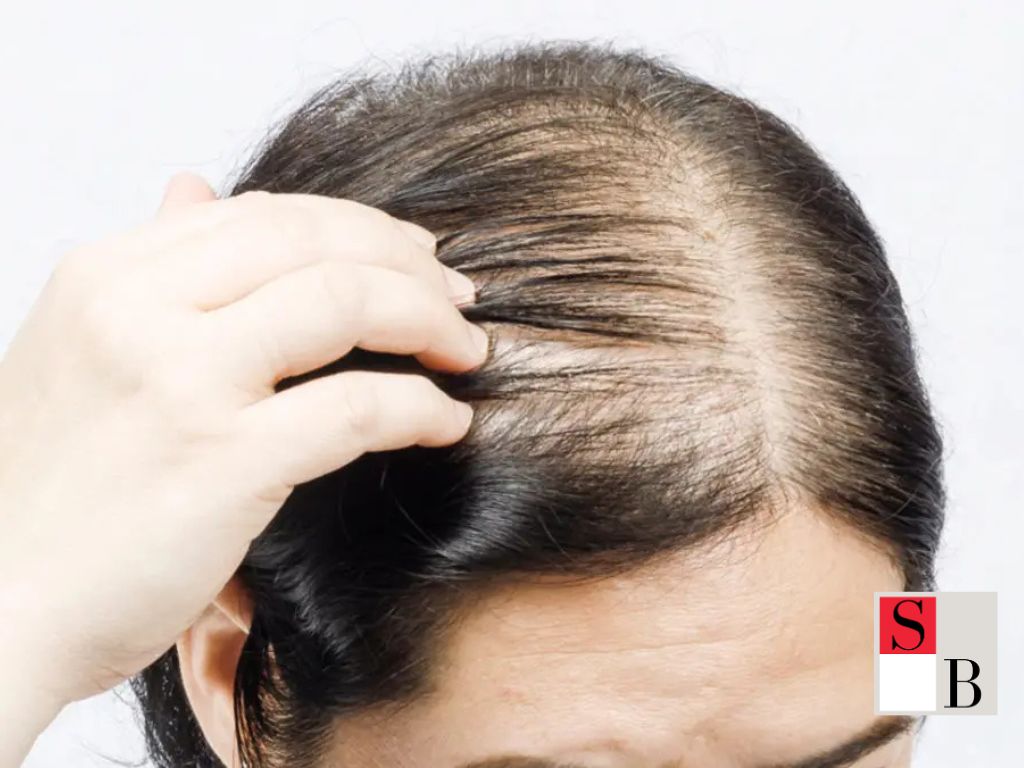
Asian hair is typically thicker in strand diameter but lower in overall density. This means menopause and hair loss often show as a wider centre part rather than bald patches. We advise checking your part line monthly. In Singapore’s tropical climate, excess sweat and sebum may stress follicles further, so gentle scalp care becomes essential.
Southeast Asian Lifestyles and Scalp Stress
Across Southeast Asia, many women balance demanding careers and family care during midlife. Chronic stress can worsen telogen effluvium, a common shedding condition. While traditional herbal tonics remain popular, modern trichology offers clearer answers. As dermatologists at National Skin Centre note, early assessment improves long-term hair density outcomes.
Menopausal Hair Thinning Solutions: Why Early Action Protects Hair Density
Early Signs of Menopausal Hair Thinning
We often spot menopausal hair thinning before our clients do. A wider centre part, slower regrowth, and more strands in the shower are early signals. In Singapore, dermatology surveys suggest about 30% of women over 50 notice visible thinning. Under strong office lighting and humid air, reduced density becomes more obvious across Asian hair types.
Benefits of Early Hair Loss Intervention in Singapore
Early menopause hair loss treatment helps protect follicles before shrinkage becomes permanent. We focus on improving scalp circulation and reducing inflammation, which tropical heat can worsen. Simple steps like timely scalp assessments and targeted nutrients support stronger regrowth. As specialists at National University Hospital note, early intervention improves long-term hair retention outcomes.
Balancing Tradition and Modern Scalp Care
Across Southeast Asia, herbal rinses and ginseng tonics remain trusted remedies. While these may soothe the scalp, we combine cultural wisdom with clinical scalp analysis for clearer results. Singapore’s fast-paced lifestyle and indoor work habits affect stress and vitamin D levels, both linked to shedding. A blended approach respects tradition while embracing science-backed menopausal hair thinning solutions.
How to Treat Menopause Hair Loss in Singapore’s Humid Climate
Nutrition and Supplements for Hormonal Hair Support
When we discuss how to treat menopause hair loss, we begin with nutrition. Iron deficiency remains common among Asian women, and low vitamin D affects many office workers in sunny Singapore. Studies suggest up to 40% of urban Asians may have insufficient vitamin D levels. We encourage balanced meals with iron-rich foods, omega-3s, and medical screening when shedding persists.
Scalp Care Strategies for Humid Weather Hair Loss
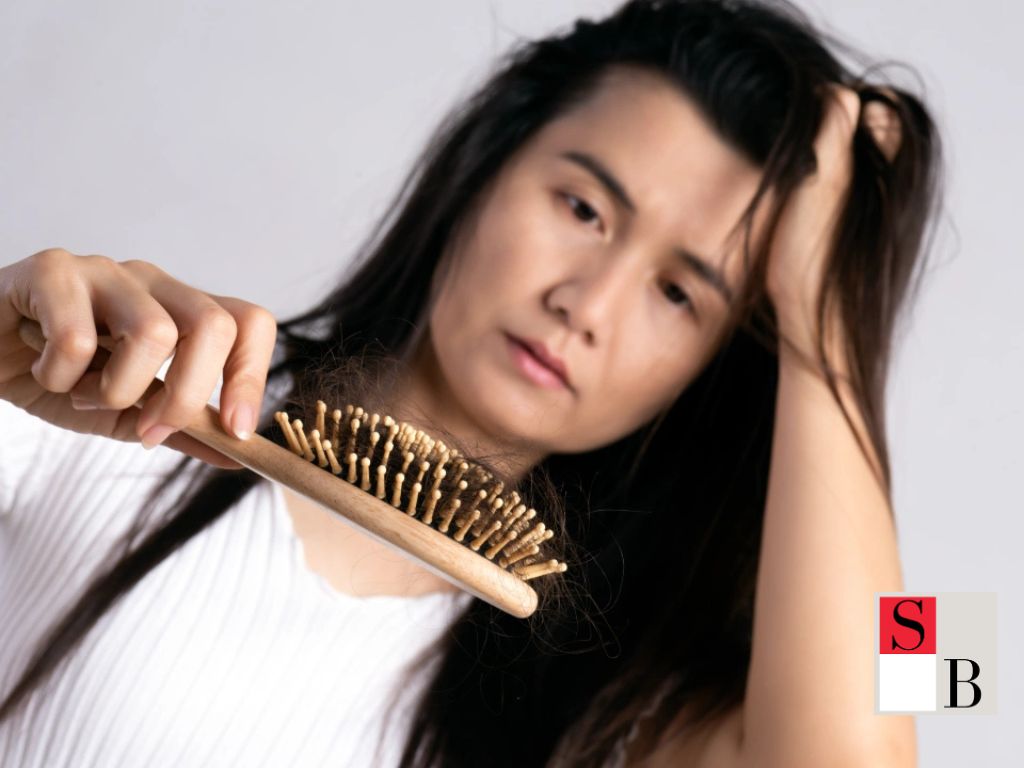
In Singapore’s 80% humidity, sweat and sebum can clog follicles and worsen menopausal shedding. We recommend lightweight scalp serums, gentle sulphate-free cleansers, and avoiding heavy oils that trap heat. A simple habit helps: check your scalp under natural daylight monthly. As clinicians at National Skin Centre advise, consistent scalp hygiene supports healthier regrowth.
Managing Stress in a Fast-Paced Lifestyle
Across Southeast Asia, midlife often brings peak career and family demands. Chronic stress may trigger telogen effluvium, adding to hormonal thinning. While traditional herbal soups remain cultural staples, we pair them with mindfulness and proper sleep. This balanced approach supports menopause hair loss treatment that fits Singapore’s modern, high-pressure lifestyle.
Professional Hair Loss Treatment Singapore: Targeted Solutions for Menopausal Hair Thinning
Wellaholic’s Expertise in Menopause and Hair Loss
In Singapore’s competitive aesthetics market, Wellaholic has built strong credibility in scalp and hair wellness. Their aesthetic consultants specialise in non-invasive solutions tailored for Asian hair density and tropical scalp conditions. With multiple outlets across Singapore, they understand how humidity, stress, and hormonal shifts affect menopausal hair thinning in local women.
Science-Backed HairGrow™ Scalp Therapy
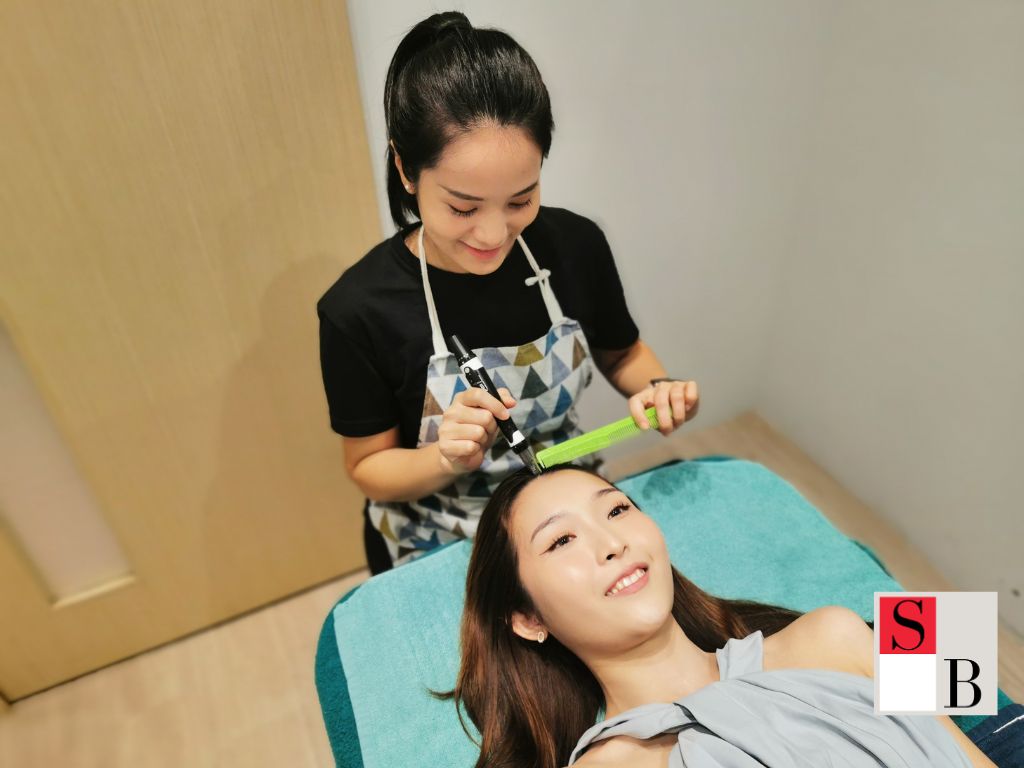
Their HairGrow™ treatment uses low-level laser technology to stimulate follicles and improve scalp circulation. Studies show consistent laser therapy may improve hair density by up to 20% over several months. Their consultants note, “Early intervention during menopause supports stronger, thicker regrowth.” The treatment suits Asian scalps prone to oil buildup in humid climates and requires no downtime.
Personalised Plans for Singaporean Women
Wellaholic’s experts customise treatment frequency based on shedding severity and lifestyle factors. They often recommend combining in-clinic sessions with guided home care for optimal results. Readers may explore their dedicated service page (suggested anchor text: menopause hair loss treatment in Singapore) at https://wellaholic.com/hairgrow/, ideally placed after the first paragraph above for SEO value and seamless integration.

Moving Forward with Confidence: Managing Menopause and Hair Loss in Singapore
Menopause and hair loss are closely linked, yet they are manageable with early awareness and steady care. In Singapore, about one in three women over 50 notice visible thinning, often worsened by humidity and stress. We have seen how hormonal shifts, scalp health, and lifestyle habits shape long-term hair density and confidence.
Hair changes during menopause can feel sudden, but they respond well to timely action. We can protect follicles through nutrition, gentle scalp care, and professional guidance when needed. Solutions such as advanced scalp therapies, including options like HairGrow 3X, show how modern technology supports Asian hair in tropical climates. The future of menopausal hair care is proactive, not reactive.
Start by checking your part line and shedding patterns this month. Review your diet and stress load honestly. Seek a professional scalp assessment in Singapore if thinning persists beyond six months. With informed steps and consistent care, we can navigate menopause and hair loss with clarity, strength, and renewed assurance.