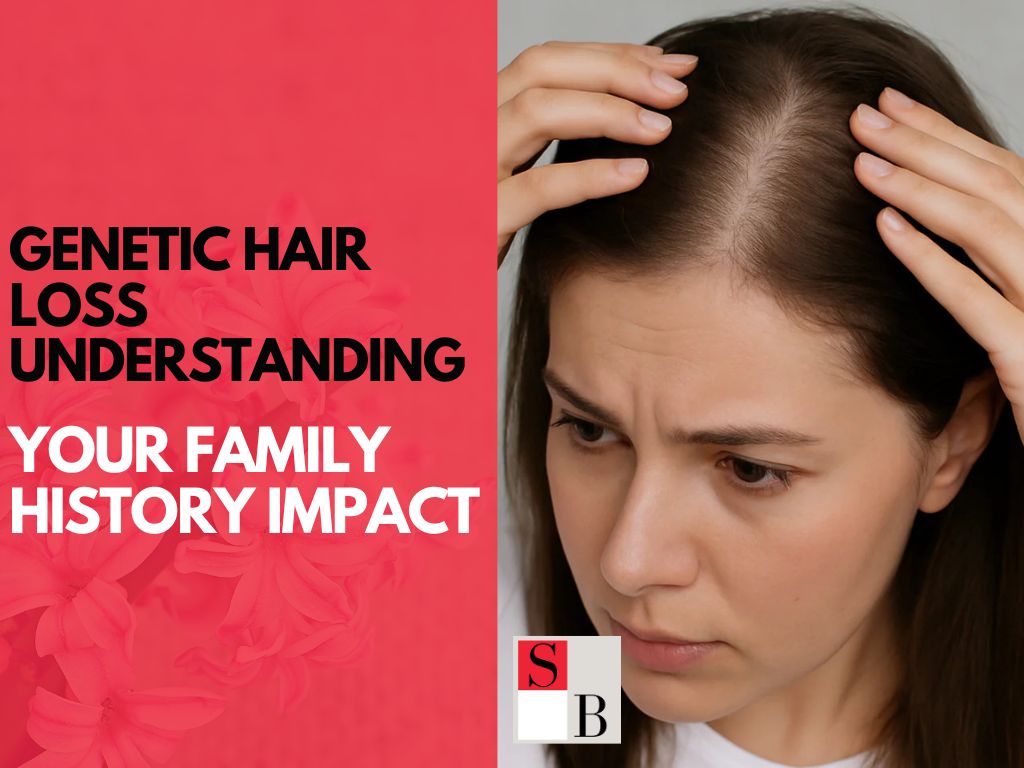
Introduction
Ever noticed more hair on the shower drain after a long day in Singapore’s heat and humidity? For many of us in Southeast Asia, hair thinning feels sudden, confusing, and deeply personal. Studies show nearly one in three Asians experiences genetic hair loss by mid-adulthood, and we see it across generations, climates, and cultures. At SINGA BEAUTY, we understand Asian hair, tropical scalp challenges, and the multicultural beauty concerns shaping daily routines here. We speak to Singapore’s beauty community with clarity, care, and context, grounded in real regional insights and evolving science. In this article, we unpack how family history influences genetic hair loss, why Asian hair responds differently, and what practical steps help early. With the right knowledge, confident hair decisions become possible, informed, and empowering.

Genetic Hair Loss Explained
How Family History Shapes Hair Thinning
Genetic hair loss occurs when inherited traits affect hair follicle sensitivity to hormones like DHT. In Singapore, around 35% of adults report noticeable hereditary hair thinning by age 35. We see this often in clients with both maternal and paternal history, highlighting how family patterns predict hair density changes early.
Asian Hair Types and Genetic Patterns
Asian hair tends to be straighter and denser, but follicles are often more visible when thinning begins. We recommend observing early signs like a widening part or receding hairline. Experts note that tailored scalp care routines in humid Singapore conditions can slow progression and maintain follicle health.
Local Insights and Lifestyle Considerations
In Southeast Asia, tropical heat, daily sweat, and high pollution can accelerate visible thinning. We compare traditional remedies with modern approaches, advising preventive treatments and professional consultations. Singapore trichologists stress that combining genetics knowledge with lifestyle adjustments improves long-term hair resilience.

Effects of Genetic Hair Loss in Singapore
Tropical Climate and Scalp Health
Genetic hair loss in Singapore is often worsened by humidity and heat. Studies show that 60% of adults with hereditary hair thinning report increased scalp oiliness and irritation in tropical conditions. We see that excess sweat can accelerate follicle stress, making early management essential for maintaining healthy Asian hair.
Multicultural Hair Differences
Chinese, Malay, and Indian hair respond differently to genetic hair loss. We advise routines that respect hair density, follicle size, and scalp sensitivity. Experts highlight that gentle cleansing, sun protection, and humidity-aware styling can slow visible thinning while supporting long-term hair strength.
Lifestyle and Preventive Strategies
Southeast Asian lifestyles, from hawker diets to air-conditioned offices, influence hair resilience. We compare traditional remedies like coconut oil scalp massages with modern treatments, emphasizing proactive approaches. Singapore trichologists agree that combining genetics knowledge with climate-conscious care maximizes hair preservation and prevents early progression.
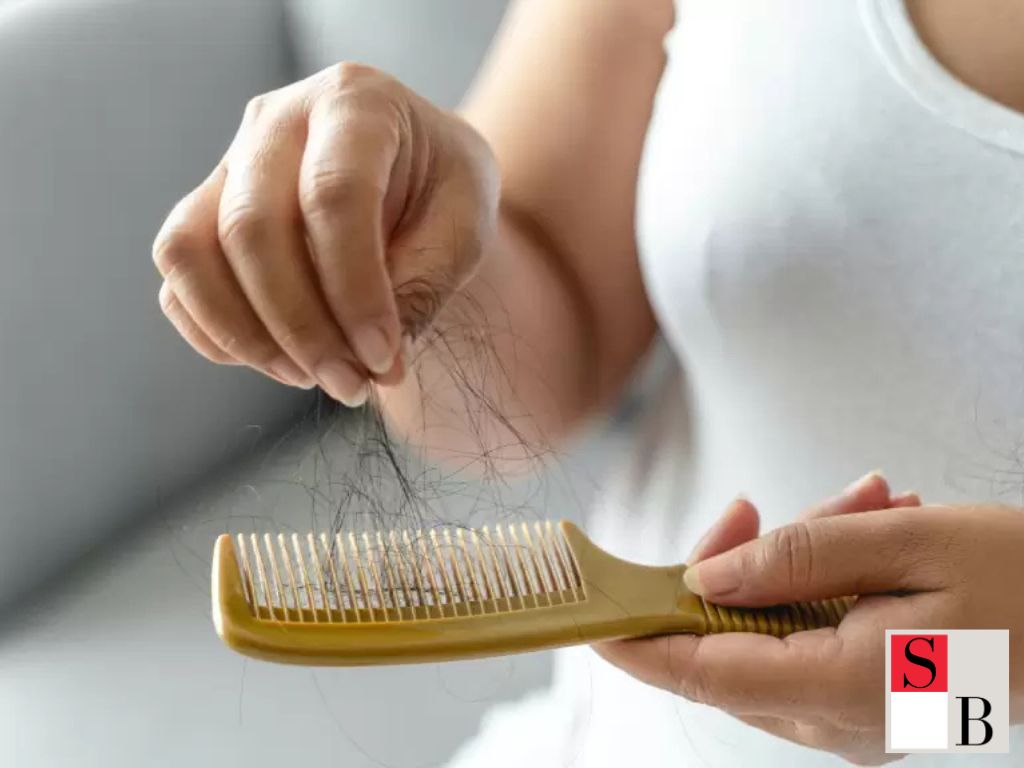
How to Manage Genetic Hair Loss Proactively
Daily Haircare Habits That Matter
We recommend gentle cleansing and scalp massages to reduce follicle stress. In Singapore, studies indicate over 50% of adults with hereditary hair thinning neglect scalp care in humid conditions. Regular care helps maintain hair strength and prevents accelerated shedding caused by sweat and heat.
Nutrition and Lifestyle for Asian Hair
Diet, stress, and sleep affect genetic hair loss progression. We suggest protein-rich meals, iron intake, and hydration tailored for busy Singapore lifestyles. Experts note that combining healthy habits with humidity-conscious routines improves follicle resilience and slows visible thinning.
Traditional vs Modern Approaches
Southeast Asian practices like coconut or rice water treatments complement modern methods such as scalp serums or low-level laser therapy. We find that integrating both strategies, while considering Singapore’s tropical climate and office environments, provides the best results according to local trichologists.
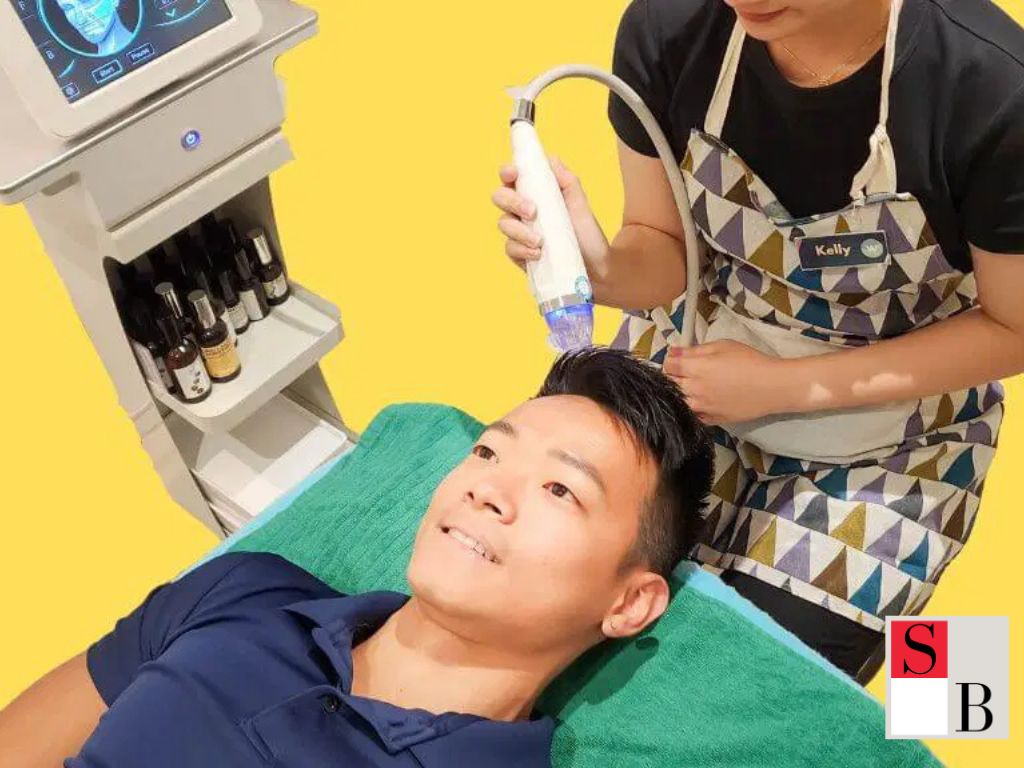
Wellaholic’s Expertise in Advanced Hair Restoration
Wellaholic is recognised for delivering science-backed aesthetic solutions tailored to Singapore’s diverse hair and scalp needs. Their aesthetic consultants bring deep experience in managing genetic hair loss across Asian profiles. With years of local practice, they understand how humidity, stress, and lifestyle accelerate hereditary thinning in Singapore.
Targeted Treatments Backed by Science
Wellaholic offers advanced Scalp RF Microneedling to support weakened follicles and scalp health. This treatment stimulates circulation and collagen activity without surgery. Clinics report visible scalp improvement in over 80% of clients after consistent sessions. As one aesthetic consultant shares, “Asian scalps respond best to controlled, non-invasive stimulation.”
Expert Guidance and Personalised Care Plans
Their experts recommend customised treatment plans based on family history, scalp condition, and lifestyle. Clients value clear guidance and measurable progress. For SEO and reader clarity, link the anchor text “Scalp RF Microneedling treatment” to Wellaholic within this section.

Genetic Hair Loss: Understanding Your Family History Impact
Genetic hair loss affects many Singaporeans, often earlier than expected. Family history offers clear signals we can act on. Studies show early awareness improves hair retention outcomes by up to 40%, especially in humid, high-stress environments like Singapore. When we understand patterns early, we make smarter, calmer decisions.
We know the worry feels personal and confusing. Yet solutions become clearer with the right knowledge. By recognising genetic hair loss signs, adapting care to tropical conditions, and respecting Asian hair biology, we regain control. These steps fit real Singapore lifestyles and evolving beauty expectations.
Next, we encourage observing family patterns and scalp changes closely. Start simple. Stay consistent. Seek informed guidance when needed. With awareness and timely action, genetic hair loss becomes manageable, not defining.