Introduction
In Singapore, sipping kopi at Maxwell often leaves us wondering if coffee stains betray our smile. Across Southeast Asia, 62% of beauty consumers seek natural oral care solutions, yet whitening remains a shared pain point. We face tropical climate challenges, multicultural diets, and daily stain concerns together. At SINGA BEAUTY, we bring Asian beauty expertise shaped by local realities and community voices. We understand Singapore’s unique oral care struggles, from humid weather to diverse food culture, and connect these insights with natural remedies. In this article, we explore activated charcoal’s whitening claims, weigh benefits against risks, and highlight professional solutions. We promise clarity, confidence, and practical guidance tailored to Singapore’s beauty needs.
What Is Activated Charcoal for Teeth Whitening?
Definition and Origins
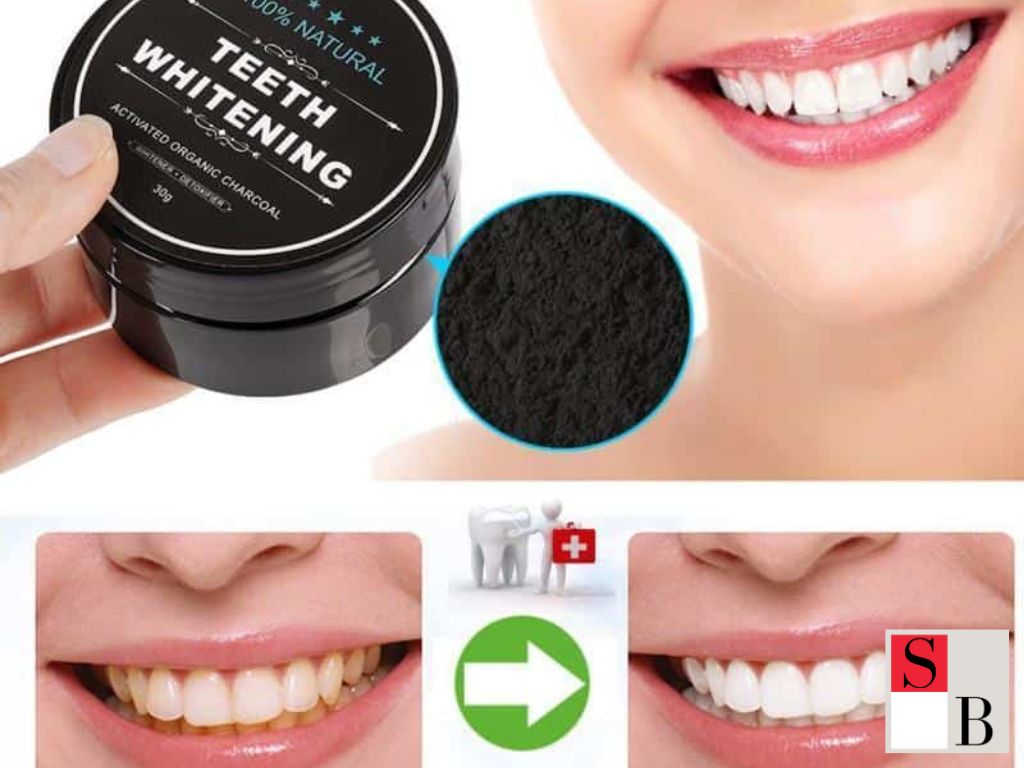
Activated charcoal teeth whitening is a natural method that has gained attention across Asia. Its porous surface is said to absorb stains from coffee, tea, and wine. In Singapore, where 68% of adults consume coffee daily, stain removal is a common concern. We see charcoal positioned as a natural remedy within the Asian beauty market.
Singapore & Local Adaptation
Charcoal toothpaste is marketed as a simple way to brighten smiles without chemicals. In our tropical climate, frequent consumption of kopi and teh tarik increases enamel discoloration. Dentists in Singapore caution that charcoal may be abrasive. We must adapt usage carefully, pairing it with fluoride toothpaste for protection. This balance reflects our local oral care needs.
Southeast Asian Relevance
Across Southeast Asia, natural remedies often blend tradition with modern science. Activated charcoal echoes herbal practices but faces scrutiny from dental experts. Singapore’s multicultural diets—spicy curries, soy sauces, and sweet drinks—add to stain risks. As one local dentist notes, “Charcoal can remove surface stains, but it cannot change natural tooth color.” This validates cautious use in our region.
Does Activated Charcoal Really Work for Teeth Whitening?
Key Benefits Claimed
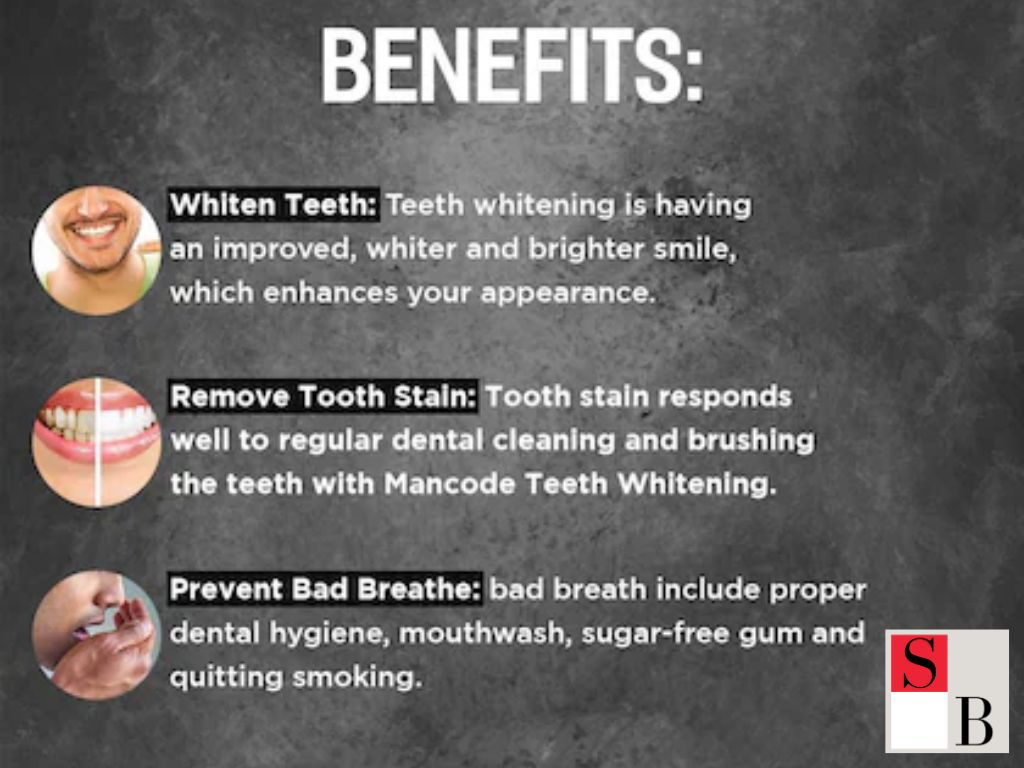
Activated charcoal toothpaste benefits are often linked to stain removal and detoxifying properties. In Asia, 54% of consumers prefer natural oral care products, showing strong demand for alternatives. In Singapore, coffee and tea culture drives whitening interest. We see charcoal positioned as a quick fix within the Asian beauty context.
Local Adaptation and Expert Perspective
Charcoal can absorb surface stains, but dentists in Singapore warn about enamel abrasion. Our tropical climate, with frequent consumption of kopi and teh tarik, increases stain risks. Practical use means moderation—two to three times weekly—and pairing with fluoride toothpaste. As experts note, “Charcoal may polish teeth, but it cannot replace professional whitening.”
Southeast Asian Relevance
Across Southeast Asia, natural remedies blend tradition with modern science. Charcoal reflects herbal practices but faces scrutiny from dental professionals. Singapore’s multicultural diets—curries, soy sauces, and sweet drinks—add to discoloration challenges. Experts validate cautious use, reminding us that lifestyle factors matter. We balance tradition with modern oral care solutions to protect long-term dental health.
How to Use Activated Charcoal Safely for Teeth Whitening
Practical Application
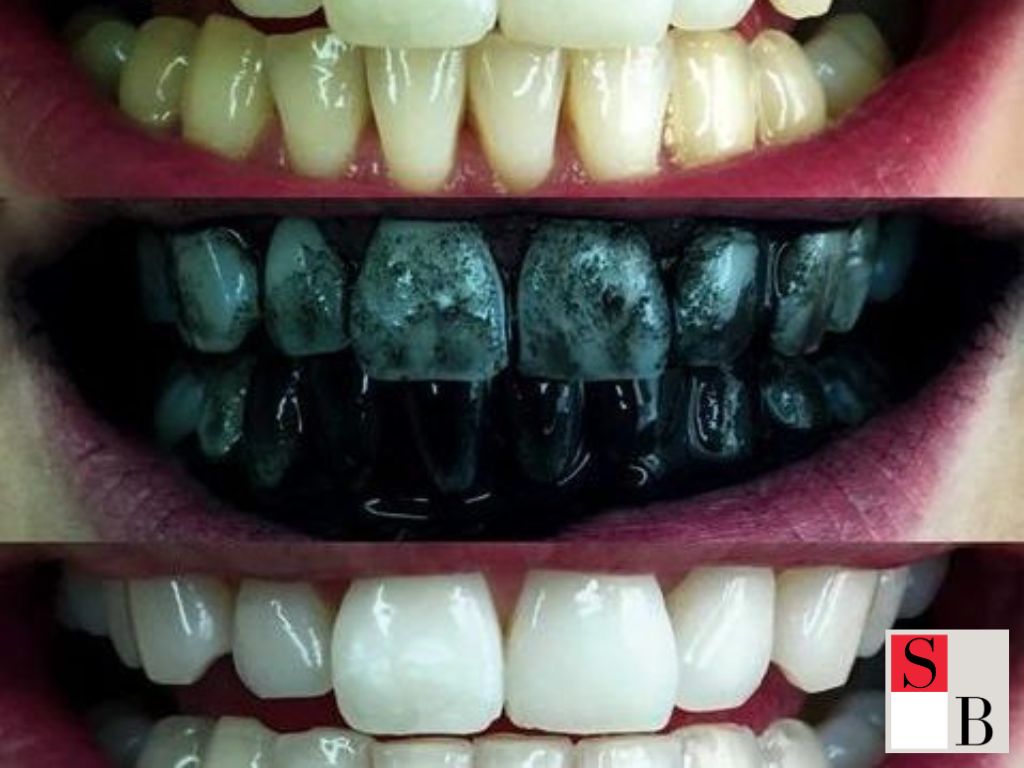
Activated charcoal teeth whitening is popular in Asia, but safe use matters. Studies show 41% of Singaporeans try natural oral care at least once a year. We see charcoal as part of this trend, but experts stress moderation. In our beauty context, charcoal is a tool, not a cure-all.
Local Considerations
Singapore’s tropical climate and kopi culture increase stain risks. Charcoal toothpaste may help polish teeth, but dentists warn about enamel wear. We adapt by limiting use to two or three times weekly and pairing with fluoride toothpaste. As one local dentist explains, “Charcoal can remove surface stains, but it should never replace daily oral care.”
Southeast Asian Relevance
Across Southeast Asia, natural remedies blend tradition with modern science. Charcoal echoes herbal practices but requires careful validation. Singapore’s multicultural diets—curries, soy sauces, and sweet drinks—add to whitening challenges. Experts highlight lifestyle factors as key. We balance tradition with modern oral care, ensuring safe whitening practices fit our region’s unique needs.
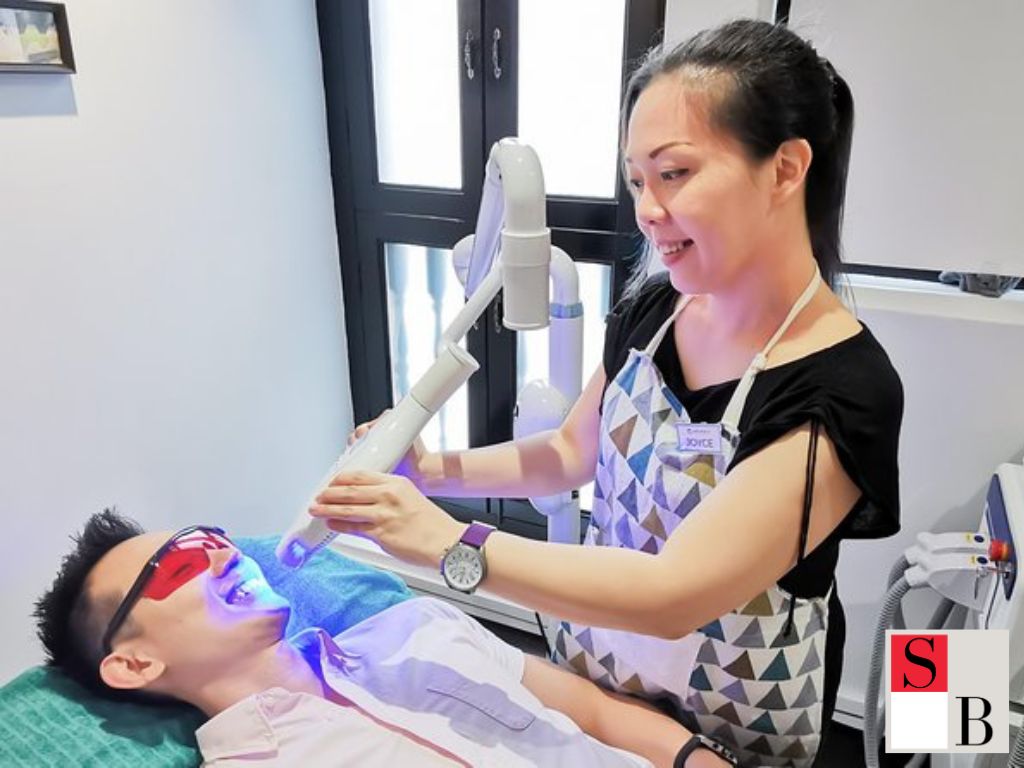
Professional Teeth Whitening Solutions in Singapore with Wellaholic
Wellaholic’s Expertise
Wellaholic is recognized for its advanced aesthetic services and trusted presence in Singapore’s beauty market. With years of industry validation, they combine technology with expertise to deliver safe, effective whitening. Their consultants understand local oral care challenges shaped by tropical climate and multicultural diets, making their solutions highly relevant to Singapore’s lifestyle.
Treatment Benefits
Their TeethWhite service uses LED light technology to break down stains and brighten teeth. Studies show professional whitening can lighten teeth by up to eight shades. Asian beauty clients benefit from treatments tailored to enamel sensitivity and dietary habits. As one Wellaholic aesthetic consultant explains, “Charcoal may polish, but TeethWhite delivers measurable results safely.”
Expert Recommendations
Wellaholic’s experts recommend customized whitening plans based on individual needs. They highlight success stories from Singapore clients seeking long-lasting confidence. Their guidance emphasizes safe frequency, lifestyle adjustments, and integration with daily oral care. For more details, readers can explore Wellaholic’s TeethWhite service to understand treatment options and professional recommendations.

Can Activated Charcoal Really Whiten Teeth? A Singapore Perspective – Final Thoughts
Activated charcoal can polish surface stains but offers limited whitening power. In Singapore, where 68% of adults consume coffee daily, stain removal remains a shared concern. We see charcoal as part of natural oral care, but not a complete solution.
Whitening pain points stem from tropical climate, multicultural diets, and daily beverage habits. Charcoal provides a natural option, yet professional treatments deliver safer, longer-lasting results. We emphasize practical use, balanced with expert guidance, to ensure oral health remains protected. Future solutions will blend tradition with science for confident smiles.
We encourage readers to try charcoal cautiously, adapt habits to reduce stains, and seek professional whitening when needed. Take proactive steps today for a brighter smile tomorrow. With informed choices, we build confidence and protect oral health in Singapore’s unique beauty landscape.